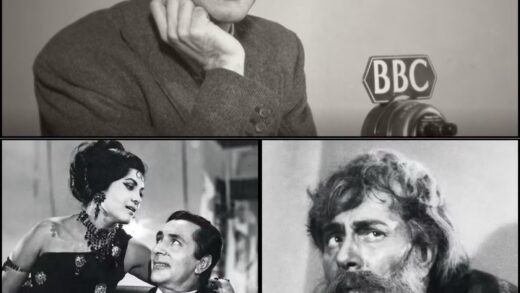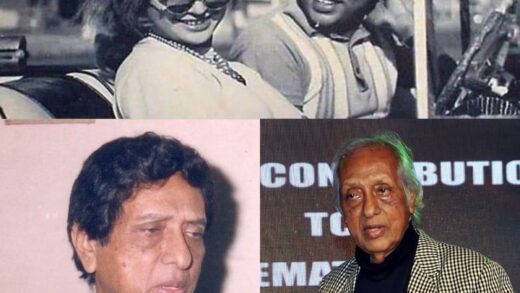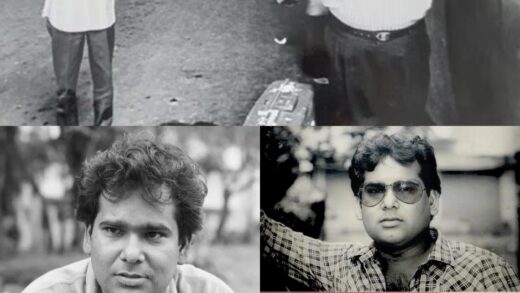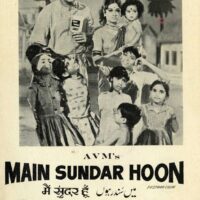

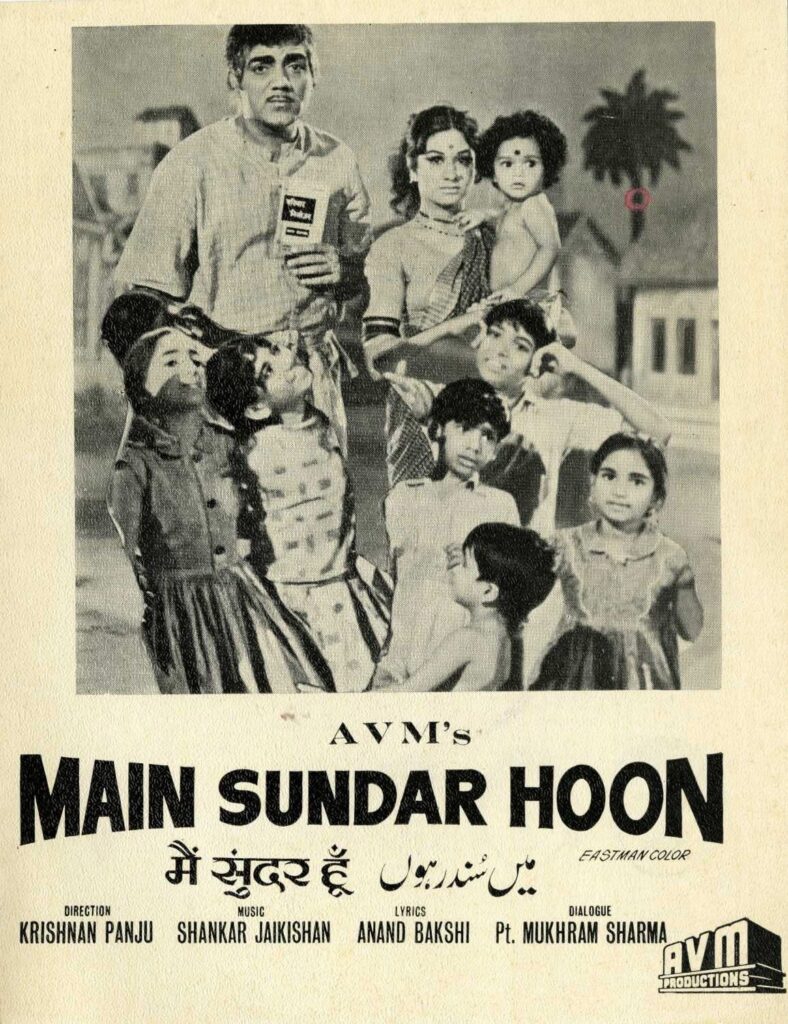
Classic Hindi cinema has produced many emotionally rich stories, but few films capture innocence, ambition, and sacrifice as beautifully as Main Sundar Hoon. Released in 1971, this film remains a heartfelt narrative about success, love, and the cost of fame.
A Simple Waiter with a Big Heart
The story revolves around Sundar, played brilliantly by Mehmood, one of Bollywood’s finest comedians. Sundar works as a waiter in a hotel owned by Ram Swaroop, portrayed by David Abraham.
Sundar is uneducated but extremely kind-hearted and naturally funny. His humor and innocence make him popular among customers, who enjoy his company. Despite his simplicity, Sundar has a charm that makes people feel happy around him.
Innocence Misunderstood as Love
Ram Swaroop’s daughter Radha, played by Leena Chandavarkar, frequently visits the hotel. She enjoys Sundar’s company and once tells him that she likes his “innocence.”
However, Sundar, unaware of the meaning of the word, misunderstands it as a confession of love. He begins to believe that Radha has romantic feelings for him. Although he secretly admires her, his social status as a waiter prevents him from expressing his emotions.
A Turn of Fate: Entry into Films
Confused and emotionally conflicted, Sundar seeks help from his friend Amar, played by Biswajit Chatterjee. Amar helps him get a job in the film industry.
From there, Sundar’s life takes a dramatic turn. His talent and comic timing quickly make him a successful film comedian. Fame, money, and recognition follow—but at a cost.
Love Triangle and Heartbreak
While Sundar rises to stardom, Amar and Radha grow closer and eventually fall in love. Amar discovers Sundar’s feelings for Radha but hesitates to tell him the truth, fearing it will break his heart.
Eventually, Radha herself reveals the truth to Sundar—that she loves Amar, not him. The moment is heartbreaking, but Sundar handles it with dignity, wishing them happiness despite his own pain.
The Price of Stardom
At the peak of his career, Sundar participates in charity shows and visits an orphanage, where he becomes deeply emotional seeing the children. He decides to spend time with them, showing his compassionate nature.
During this phase, tragedy strikes. Sundar’s father passes away, but he is unable to attend the funeral due to his commitments. Later, his mother makes him promise that he will be by her side in her final moments.
Fate, however, is cruel. While Sundar is busy शूटिंग a film’s climax, his mother is seriously injured. Due to strict studio restrictions, the message does not reach him in time. By the time he arrives at the hospital, she has already passed away.
Realization and Redemption
This loss deeply shakes Sundar. He realizes that in chasing fame, he has lost precious moments with his loved ones. Stardom, which once seemed like a dream, now feels hollow.
In the final moments of the film, Sundar attends Amar and Radha’s wedding—but not as a star. He arrives wearing his old waiter uniform, symbolizing his return to his roots.
He declares that he will leave the film industry and dedicate his life to helping the poor and orphaned children, believing that this will bring peace to his mother’s soul.
Interesting Trivia About the Film
- The film was directed by Krishnan–Panju.
- It was written by K. Balachander, a legendary storyteller.
- The movie is a remake of the Tamil classic Server Sundaram.
- Music was composed by the iconic duo Shankar–Jaikishan.
- Lyrics were written by Anand Bakshi, marking his only collaboration with the composers.
The song “Naach Meri Jaan Fatafat” remains one of the most memorable tracks from the film.
Why This Film Still Matters
Main Sundar Hoon is more than just a film—it is a reflection on life’s priorities. It reminds us that success without emotional fulfillment is incomplete. Even after decades, the film resonates because of its timeless message: never lose your humanity in the pursuit of fame.