
Vitamin D deficiency is becoming one of the most common health problems today, especially in countries like India where sunlight is abundant, yet lifestyle habits prevent proper exposure. Many people are unaware that they are deficient until symptoms start affecting their daily life.
Unlike other vitamins, vitamin D works more like a hormone in your body. It plays a critical role in bone strength, immunity, muscle function, and even mood regulation. When your levels drop, your body starts sending signals—but these signals are often ignored or misunderstood.
Let’s understand this in a simple and practical way.
What Is Vitamin D and Why Is It Important?
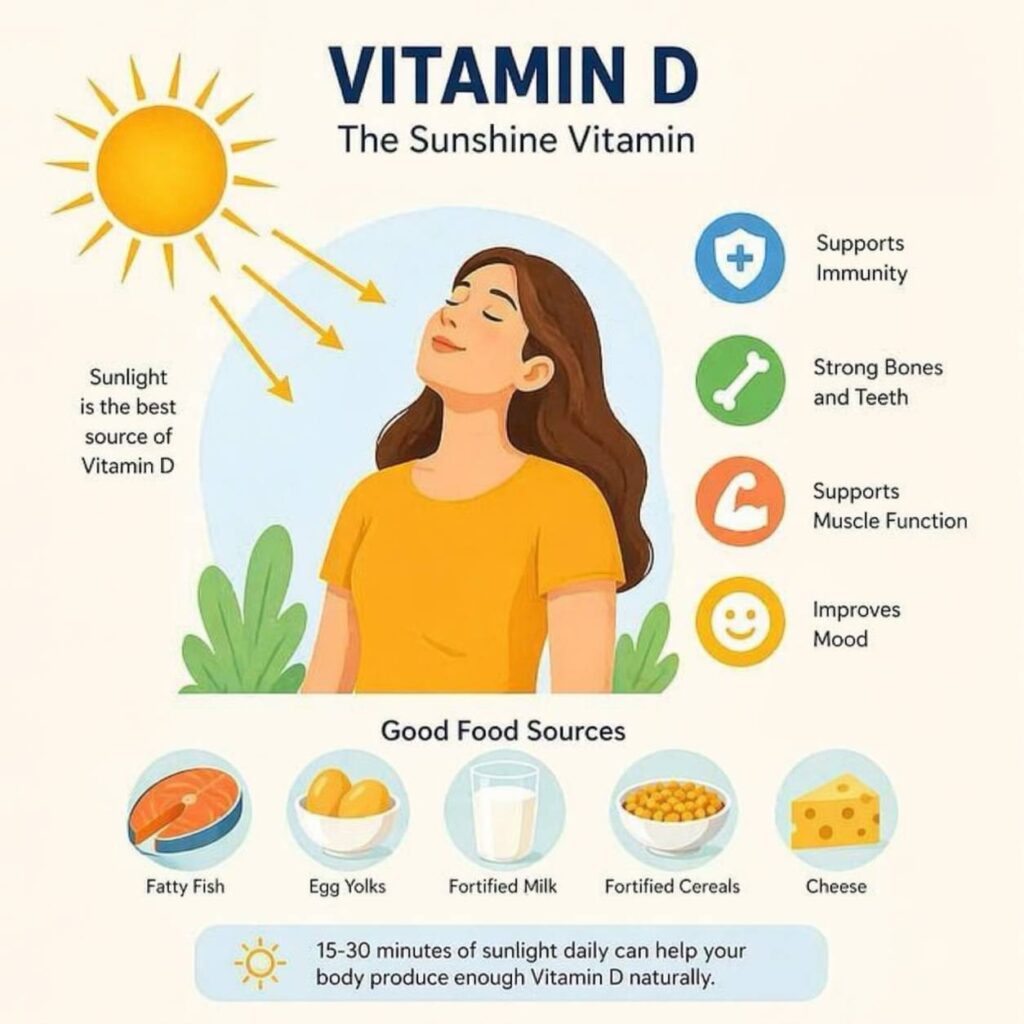
Vitamin D is a fat-soluble vitamin that your body produces when your skin is exposed to sunlight. It helps your body absorb calcium, which is essential for strong bones and teeth.
But its role goes far beyond that.
Vitamin D also supports:
- Immune system function
- Muscle strength
- Brain health
- Hormonal balance
Without enough vitamin D, your body struggles to function properly, even if your diet is otherwise healthy.
Common Symptoms of Vitamin D Deficiency
Many people live with deficiency for years without realizing it. Here are some common signs:
1. Constant Fatigue
Feeling tired all the time, even after proper rest, can be a major sign.
2. Bone and Back Pain
Vitamin D is crucial for calcium absorption. Low levels can lead to weak bones and frequent pain, especially in the lower back.
3. Muscle Weakness
You may feel weakness in your arms, legs, or overall body strength.
4. Frequent Illness
If you catch colds or infections often, your immune system may be weakened due to low vitamin D.
5. Hair Fall
Excessive hair loss can sometimes be linked to deficiency.
6. Mood Changes
Low vitamin D levels are associated with mood swings and even mild depression.
Why Is Vitamin D Deficiency So Common?
It may seem surprising, but even in sunny regions, deficiency is widespread.
1. Lack of Sun Exposure
Most people spend their day indoors—offices, homes, or vehicles.
2. Use of Sunscreen
While sunscreen protects your skin, it also blocks vitamin D production.
3. Pollution
Air pollution can reduce the amount of sunlight reaching your skin.
4. Darker Skin Tone
People with more melanin need longer sun exposure to produce enough vitamin D.
5. Poor Diet
Very few foods naturally contain vitamin D.
How to Diagnose Vitamin D Deficiency
The only accurate way is through a blood test called:
25-hydroxy vitamin D test
Levels are generally classified as:
- Deficient: below 20 ng/mL
- Insufficient: 20–30 ng/mL
- Sufficient: 30–50 ng/mL
If you have symptoms, it’s worth getting tested.
Natural Ways to Improve Vitamin D Levels
The good part is that vitamin D deficiency can be corrected with simple lifestyle changes.
1. Get Sunlight Daily
This is the most effective and natural source.
- Best time: 8 AM to 11 AM
- Duration: 15–30 minutes
- Expose arms, face, and legs if possible
Avoid glass barriers (like sitting behind windows), as they block UV rays.
2. Include Vitamin D-Rich Foods
While food alone may not be enough, it still helps.
Include:
- Egg yolks
- Fatty fish (like salmon, sardines)
- Fortified milk and cereals
- Butter and cheese (in moderation)
3. Maintain a Healthy Weight
Excess body fat can reduce vitamin D availability in your bloodstream.
4. Improve Magnesium Intake
Magnesium helps activate vitamin D in your body.
Sources include:
- Nuts
- Seeds
- Green leafy vegetables
5. Take Supplements (If Needed)
If levels are very low, diet and sunlight may not be enough.
Common supplements:
- Vitamin D3 (cholecalciferol)
- Often combined with Vitamin K2
Always follow proper dosage—overuse can cause toxicity.
How Long Does It Take to Recover?
This depends on how low your levels are.
- Mild deficiency: a few weeks
- Severe deficiency: 2–3 months or more
Consistency is key. Skipping doses or irregular sunlight exposure slows recovery.
What Happens If You Ignore It?
Long-term deficiency can lead to:
- Weak bones (osteoporosis)
- Increased fracture risk
- Poor immunity
- Chronic fatigue
- Muscle pain
In children, it can cause rickets, affecting bone development.
A Simple Daily Routine to Maintain Healthy Levels
Morning:
- 15–20 minutes sunlight exposure
Breakfast:
- Include eggs or fortified milk
Lunch:
- Balanced diet with vegetables and healthy fats
Evening:
- Light physical activity (walking, stretching)
Weekly:
- Include fish or nutrient-rich foods
Final Thoughts
Vitamin D deficiency is silent but impactful. The symptoms may seem small at first—tiredness, pain, low mood—but over time, they can affect your overall quality of life.
The good news is that fixing it doesn’t require complicated steps. A little sunlight, better food choices, and consistency can make a big difference.
Instead of ignoring the signs, listen to your body and take action early. Your future health depends on the habits you build today.
Disclaimer:
This content is for informational purposes only and is not intended as medical advice. Always consult a qualified healthcare professional before making any changes to your diet, lifestyle, or supplement routine, especially if you have an existing medical condition or are taking medications.