

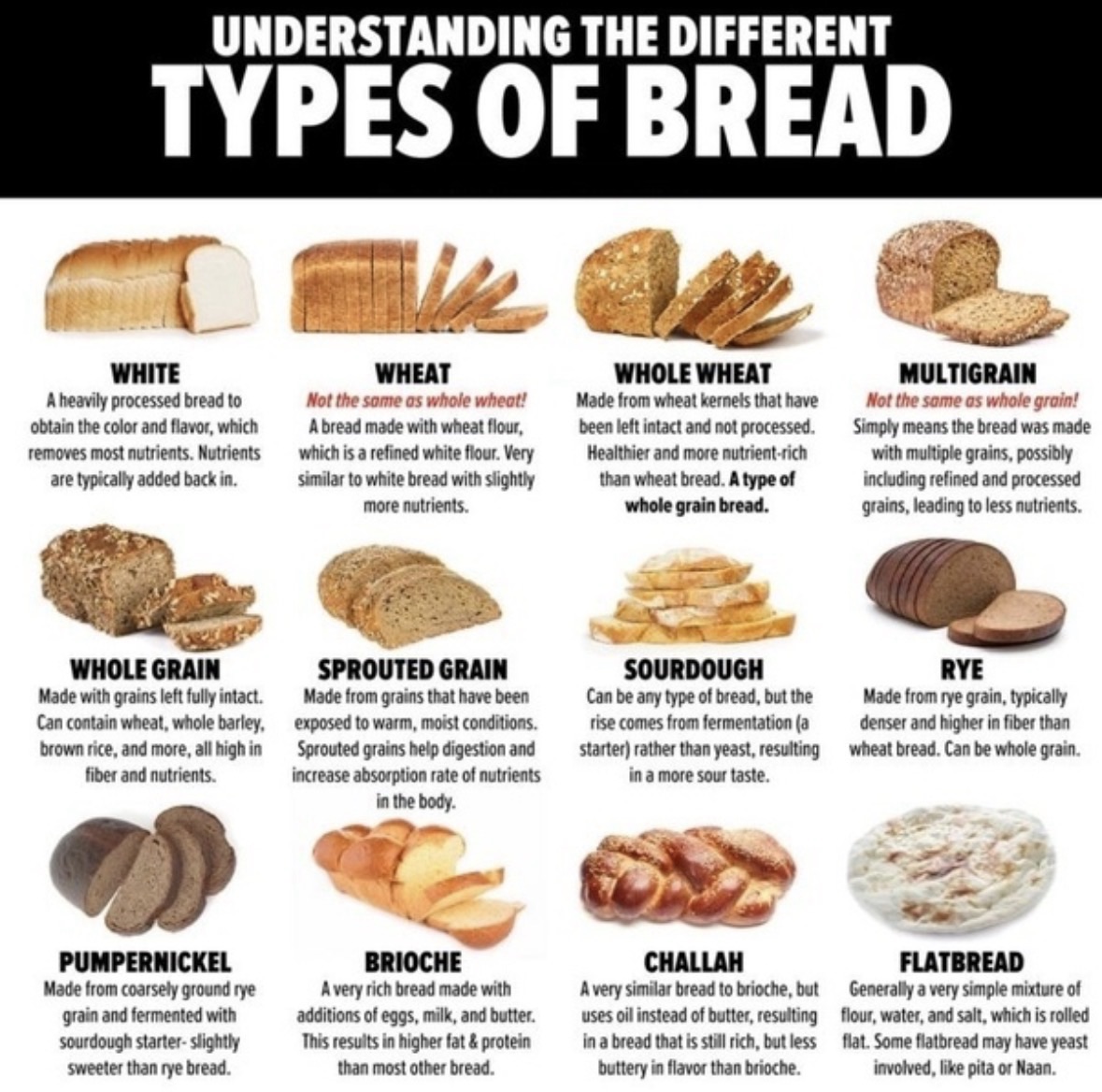
For nearly a decade, I believed I was making the smartest dietary choice possible by eating so-called healthy whole wheat bread. I consistently chose dense, expensive loaves marketed as organic, whole grain, or health-food bread—convinced they were essential for weight management and overall wellness.
Yet despite regular exercise and what I thought was a clean diet, my health steadily declined. I gained stubborn belly fat, felt constantly bloated, experienced chronic gas and digestive discomfort, and struggled with brain fog that affected my productivity at work. Even more concerning, I developed persistent joint pain in my hands and knees that medical tests couldn’t explain.
At no point did I suspect that my daily bread consumption could be a major contributor. After all, whole grains are widely promoted as a cornerstone of a healthy diet.
The Hidden Health Risks of Commercial Bread
What I eventually discovered was eye-opening. Most commercially available breads—including whole wheat, organic, and health-store varieties—are highly processed and can negatively impact gut health and metabolism.
Many modern breads:
Spike blood sugar levels higher than refined table sugar Trigger systemic inflammation linked to weight gain and joint pain Contain glyphosate residues from sprayed wheat Include added sugars, preservatives, and emulsifiers Use refined grains stripped of nutrients and later “fortified” artificially Contain modern gluten that is harder to digest due to aggressive hybridization
These factors can contribute to digestive issues, insulin resistance, chronic inflammation, mental fatigue, and unexplained pain.
How Changing My Bread Changed My Body
My breakthrough came after discovering a comprehensive online health resource that explained how bread quality and processing methods directly affect the body. By changing how and what kind of bread I ate, my health transformed dramatically.
Within four months:
I lost 22 pounds without extreme dieting My joint pain completely disappeared Chronic bloating and digestive distress resolved Brain fog lifted, and my focus returned
The difference wasn’t eliminating bread—it was choosing the right bread.
What to Look for in Truly Healthy Bread
I no longer trust labels like “whole grain” or “multigrain” without scrutiny. Instead, I focus on breads that support digestion, stabilize blood sugar, and reduce inflammation, such as:
Sprouted grain bread – Grains are germinated, reducing antinutrients and improving nutrient absorption Long-fermented sourdough bread – Natural fermentation breaks down gluten and lowers glycemic impact Ancient grain bread – Einkorn and spelt are less hybridized and easier to digest than modern wheat Minimal ingredient lists – No added sugars, preservatives, or industrial additives
Final Thoughts
Bread doesn’t have to damage your gut, inflate your waistline, or cloud your mind—but most modern bread does. Once I stopped blindly trusting marketing claims and started choosing bread made the traditional way, my health finally aligned with my efforts.
If you’re dealing with unexplained weight gain, digestive problems, inflammation, or brain fog, it may be time to rethink the bread you eat—not remove it, but replace it wisely.